Cutting fluids faces stricter rules as biocide OPP is reclassified
New EU rules will enter into force on 1 May 2026 that will introduce a significantly stricter classification of the biocide OPP (Ortho-Phenyl Phenol). The change may affect the future use of OPP in process fluids and is part of the EU’s ongoing work to increase protection for both people and environment.
New hazard classifications under EU chemicals legislation
The European Commission has now adopted ATP22, the 22nd technical adaptation to the CLP Regulation (Classification, Labelling and Packaging of chemicals). In this update, around 40 substances will receive new or amended harmonized classifications, including OPP.
OPP has long been used as a bactericide and fungicide in metalworking fluids. The upcoming classification indicates that the risks are now considered higher, as reflected in more stringent hazard statements.
Current classification - (CLP00) | Upcoming classification (ATP22) - from 1 May 2026 |
|---|---|
Specific target organ toxicity, Cat. 3 (H335) - May cause respiratory irritation | Carcinogenicity, Cat. 2 (H351) - Suspected of causing cancer |
Skin irritation, Cat. 2 (H315) - Causes skin irritation | Skin corrosion, Cat. 1 (H314) - Causes severe skin burns and eye damage |
Eye irritation, Cat. 2 (H319) - Causes serious eye irritation | Serious eye damage, Cat. 1 (H318) - Causes serious eye damage |
Aquatic acute toxicity, Cat. 1 (H400) | Aquatic acute + chronic toxicity, |
This means that manufacturers and users must update safety data sheets, labelling, and documentation well ahead of the effective date.
Uncertain continuation of OPP approval for PT13
Biocides are regulated under the EU Biocidal Products Regulation (BPR), which governs the approval and use of biocidal products on the market. Within product type 13 (PT13) - preservatives for working or cutting fluids, OPP is currently one of five approved substances.
The current approval is valid until 30 June 2027, and it is still unclear whether OPP will be granted renewed authorization, considering the new harmonized classification.
Technology-based alternatives to biocides
The development clearly shows that the use of biocides is gradually being restricted. As the availability of approved substances decreases, technology-based solutions become increasingly important to ensure stable and safe cutting fluid operations.
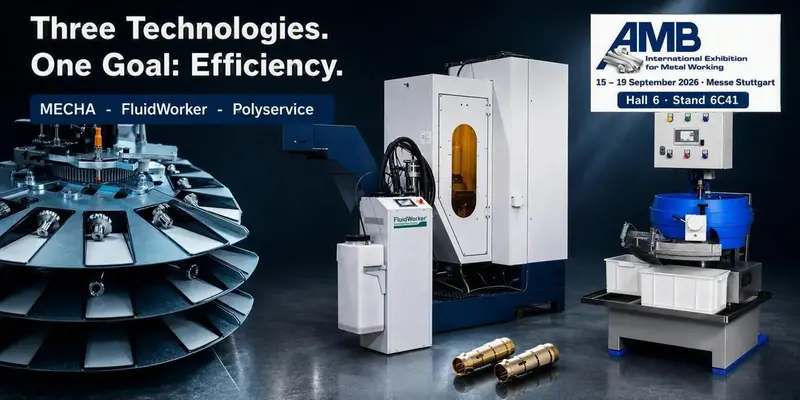
With FluidWorker, the cutting fluid handling is automated, and through treatment with UV light, microbial growth is controlled without addition of toxic biocides. Key benefits include:
- Increased machine availability and productivity
- Lower consumption of cutting fluids
- A safer and better working environment for operators
Further information
For more details on the new classification, please see the European Chemicals Agency (ECHA): Table of harmonized entries in Annex VI to CLP – ECHA. External link, opens in new window.

Want a solution that just works – year after year?
With continuous, chemical-free UV treatment, you get reliable bacteria control without maintenance.
The system has been running successfully for many customers for years – delivering stable, eco-friendly performance around the clock. No hassle, just a solution you can trust.